
October 26, 2026
How to Care for Your Jewelry and Keep It Looking Beautiful
Learn how to care for your jewelry with simple everyday habits. Discover practical tips for cleaning, storing, wearing, and protecting rings, bracelets, earrings, and necklaces.
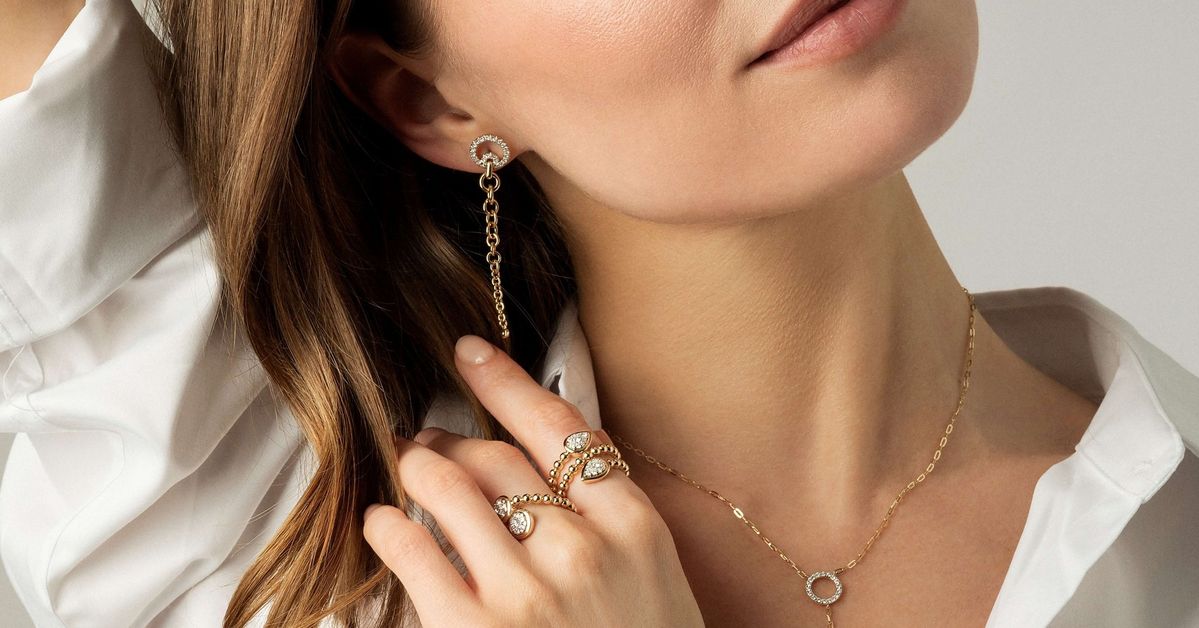
Proper jewelry care does not have to be complicated. A few simple habits can help your favorite rings, bracelets, earrings, and necklaces stay clean, organized, and ready to wear. From everyday handling to storage and cleaning, small steps can make a meaningful difference over time.
Why Jewelry Care Matters
Jewelry is often worn repeatedly, which means it is naturally exposed to everyday conditions such as moisture, cosmetics, dust, friction, and contact with different surfaces. Over time, these factors can affect the appearance of a piece.
Taking care of your jewelry is not only about keeping it looking good. Good storage and handling habits can also help reduce unnecessary scratching, tangling, and other forms of everyday wear.
The best approach is simple: handle your jewelry carefully, keep it away from avoidable sources of wear, and store each piece properly when you are not wearing it.
Care tip: Make jewelry care part of your regular routine rather than waiting until a piece looks noticeably dirty or tangled. Consistent, gentle care is usually easier than trying to restore a piece after extensive buildup or wear.
1. Put Jewelry On After Applying Beauty Products
Lotions, creams, perfumes, hairspray, and other beauty products can come into contact with jewelry when you get ready. To minimize unnecessary exposure, allow these products to settle before putting on your jewelry.
A simple routine is to complete your skincare and beauty routine first, allow products to dry, and then put on your jewelry as one of the final steps before leaving.
2. Remove Jewelry Before Activities That May Cause Wear
Everyday activities can expose jewelry to moisture, friction, impact, or substances that may affect its appearance. Removing jewelry before certain activities is an easy way to reduce unnecessary wear.
- Remove jewelry before exercising or participating in physical activities.
- Take jewelry off before swimming or spending extended time in water.
- Remove rings and bracelets before household cleaning.
- Consider removing jewelry before sleeping to reduce unnecessary friction.
Developing the habit of removing jewelry before these activities can help keep your pieces looking better between regular cleanings.
3. Keep Jewelry Away From Excess Moisture
Moisture is one of the most common everyday factors that can affect jewelry. Water, perspiration, and humidity can accumulate around small details and surfaces, particularly when jewelry is worn frequently.
After exposure to moisture, gently dry your jewelry before placing it back into storage. Avoid storing pieces while they are damp.
If your jewelry becomes wet during the day, gently wipe it with a soft, clean cloth and allow it to dry completely before storing it.
4. Store Each Piece Properly
Good storage is one of the easiest ways to protect a jewelry collection. Leaving multiple pieces together in a single pile can increase the chance of tangling, scratching, or misplaced items.
Whenever possible, give individual pieces their own space. Small jewelry compartments, pouches, or lined storage containers can help keep pieces separated and organized.
For Necklaces
Necklaces are especially prone to tangling. Keeping them separated and secured when not in use can make them easier to store and retrieve.
For Earrings
Keep pairs together so that individual earrings do not become separated. A dedicated jewelry compartment can make small pieces easier to organize.
For Rings
Rings can be stored individually or in separate sections to reduce unnecessary contact with other jewelry pieces.
For Bracelets
Keep bracelets separated when possible, especially when combining pieces with different shapes or details.
5. Clean Jewelry Gently
Jewelry can accumulate dust, oils, and everyday residue through regular use. Gentle cleaning can help restore a cleaner appearance, but it is important to avoid overly aggressive cleaning methods.
For routine care, a soft, clean cloth can be useful for gently wiping accessible surfaces. Avoid applying excessive pressure or rubbing aggressively.
If you are unsure how a particular piece should be cleaned, check the care instructions associated with the item or seek professional advice before using cleaning products.
Important: Not every jewelry material should be cleaned in the same way. Avoid assuming that a method suitable for one piece is automatically suitable for another.
6. Avoid Harsh Cleaning Methods
Strong household cleaners, abrasive materials, and aggressive scrubbing can potentially affect the appearance of jewelry. Using too much pressure can also create unnecessary friction on delicate surfaces.
When cleaning jewelry, gentle methods are generally the safer starting point. If a piece requires more extensive cleaning, use care instructions specific to its material and construction.
7. Keep Your Jewelry Away From Direct Contact With Chemicals
Everyday chemical exposure can come from many sources, including beauty products, cleaning products, and other substances used around the home.
You do not need to avoid every product in your daily routine. Instead, make it a habit to remove jewelry before using products that may come directly into contact with it.
8. Be Careful With Rings During Everyday Tasks
Rings are worn on the hands, which means they can experience more contact with surfaces than many other types of jewelry.
Before cooking, cleaning, exercising, gardening, or performing tasks that involve repeated hand contact, consider removing your rings and placing them somewhere safe.
This small habit can reduce unnecessary exposure to moisture, substances, friction, and impact.
9. Take Extra Care With Necklaces
Necklaces can become tangled when stored incorrectly or mixed with other pieces. They may also catch on clothing or other surfaces during everyday wear.
Put necklaces on carefully and avoid pulling on chains or decorative elements. When storing them, keep individual necklaces separated as much as possible.
10. Give Earrings Their Own Storage Space
Earrings are usually smaller than other jewelry pieces, which makes them easier to misplace. Keeping pairs together can make your collection easier to manage.
A dedicated compartment or small jewelry organizer can help you quickly find the pair you want without searching through multiple pieces.
11. Keep Bracelets From Becoming Tangled
Multiple bracelets can become tangled when stored together. Separating them before storage can make your collection easier to use and reduce unnecessary pulling when you retrieve a piece.
If you like wearing several bracelets together, take a moment to separate them after removing them rather than leaving them in one pile.
12. Create a Simple Jewelry Care Routine
Jewelry care becomes much easier when it is part of your normal routine. You do not need to spend a long time maintaining your collection.
- Put jewelry on last. Complete skincare, perfume, and other beauty routines before putting on your jewelry.
- Remove jewelry when appropriate. Take pieces off before activities involving water, exercise, cleaning, or significant physical contact.
- Wipe pieces gently. Use a soft, clean cloth when appropriate to remove everyday residue.
- Store pieces separately. Keep jewelry organized to reduce tangling and unnecessary contact.
- Check your collection regularly. Look over frequently worn pieces so you can notice changes in their condition early.
Jewelry Care for Everyday Wear
The jewelry you wear most often deserves particular attention because repeated use naturally means more exposure to everyday conditions.
Rather than treating everyday jewelry as something that requires complicated maintenance, focus on a few consistent habits. Remove pieces before activities that may cause unnecessary wear, keep them dry when appropriate, and store them carefully when you are finished wearing them.
These simple steps can make jewelry care feel like a normal part of your daily routine rather than an additional task.
When to Seek Professional Jewelry Care
Some jewelry may require professional attention depending on its design, materials, condition, or construction. If a piece has become damaged, loose, significantly dirty, or difficult to clean safely at home, professional evaluation may be appropriate.
Avoid attempting complicated repairs or aggressive cleaning methods if you are uncertain about the construction of the piece. Professional care can be a better option when a jewelry item needs specialized attention.
Small Habits Can Make a Difference
Caring for jewelry does not require a complicated routine. The most useful habits are often the simplest ones: store pieces carefully, avoid unnecessary exposure to moisture and chemicals, clean gently, and remove jewelry before activities that may cause excessive wear.
Over time, these small decisions can help you enjoy your favorite pieces more confidently and keep your jewelry collection organized and ready to wear.
Take Care of the Pieces You Love
Jewelry is often connected to personal style, meaningful moments, and everyday memories. Taking a little extra care of your favorite pieces helps you enjoy them as part of your wardrobe for longer.
Whether you wear a favorite ring every day, reach for the same necklace before heading out, or switch between different earrings and bracelets, a simple care routine can help keep your collection looking its best.
At Vexjewels, we believe beautiful jewelry should be easy to enjoy. Choose the pieces that fit your style, wear them with confidence, and give them the care they deserve.